
Find a Psychologist in Dallas Near You
Finding a Psychologist in Dallas When Your Family's Future Is on the Line

Finding a psychologist in Dallas is urgent when you're facing deportation and need documentation to protect your family. Here's what you need to know right away:
Quick answers for your situation:
| Your Need | What to Look For |
|---|---|
| Immigration hardship evaluation | Forensic psychologist with immigration experience |
| Anxiety, trauma, or depression care | Licensed PhD or PsyD with CBT or EMDR training |
| Spanish-speaking provider | Bilingual or culturally responsive psychologist |
| Fast access | Telehealth via PSYPACT-authorized provider |
| Low cost | Sliding scale fees or out-of-network superbills |
Dallas has over 3,000 licensed mental health providers, so the challenge isn't finding someone — it's finding the right person for your specific situation.
If you're a non-permanent resident facing legal proceedings, the stakes are especially high. A psychological evaluation isn't just therapy — it's evidence. It can show an immigration judge the real human cost of family separation.
Not every psychologist in Dallas is trained to produce that kind of documentation.
I'm Francisco Ortiz, Lead Forensic Mental Health Evaluator at District Counseling PLLC and a Certified Forensic Mental Health Evaluator (CFMHE) with licensure across six states, including Texas, specializing in high-stakes immigration evaluations that require the kind of clinical rigor a psychologist in Dallas must bring to legal proceedings. In the sections below, I'll walk you through exactly how to find the right provider for your needs.
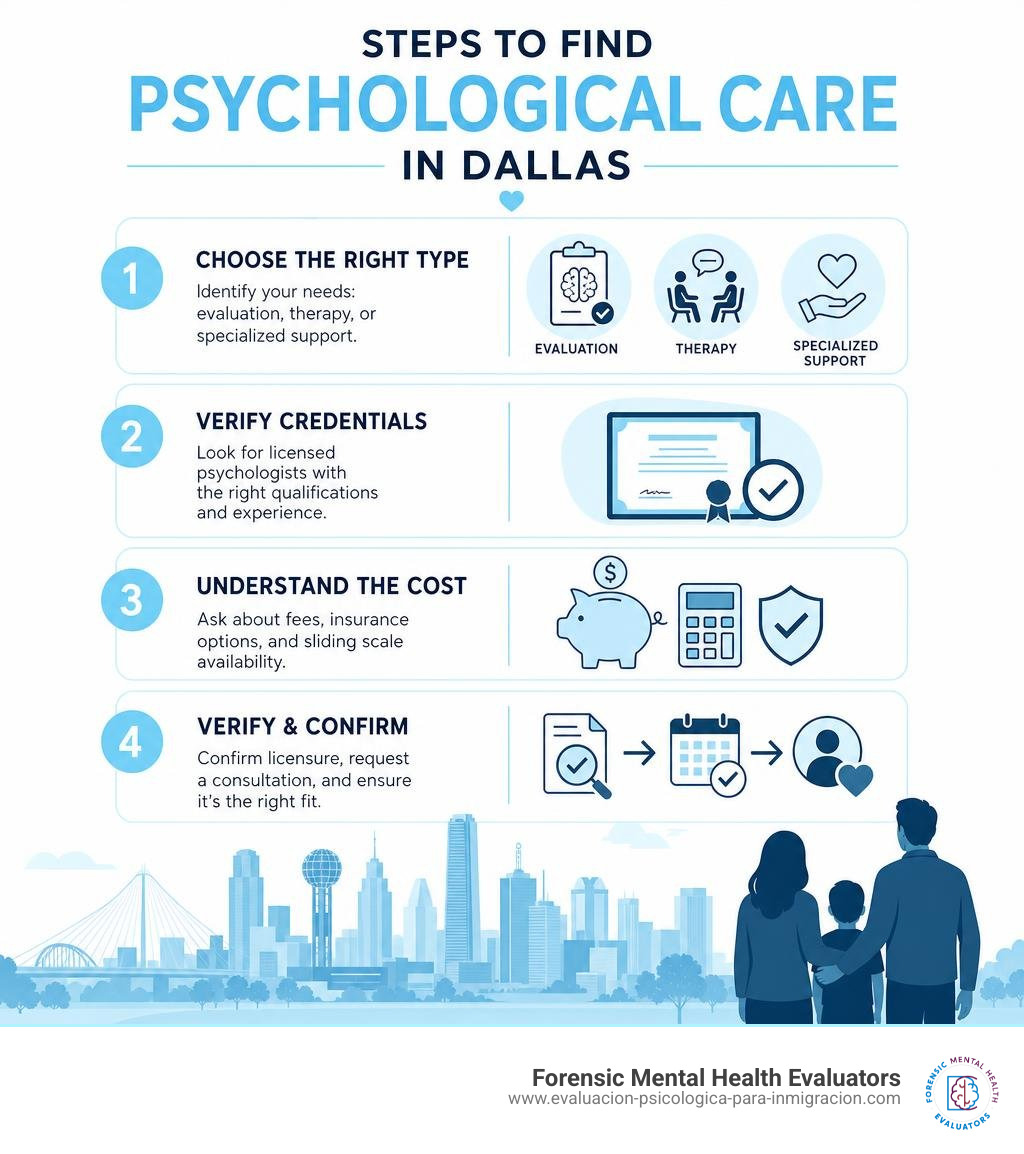
Common Types of Therapy and Expertise Offered by a Psychologist in Dallas

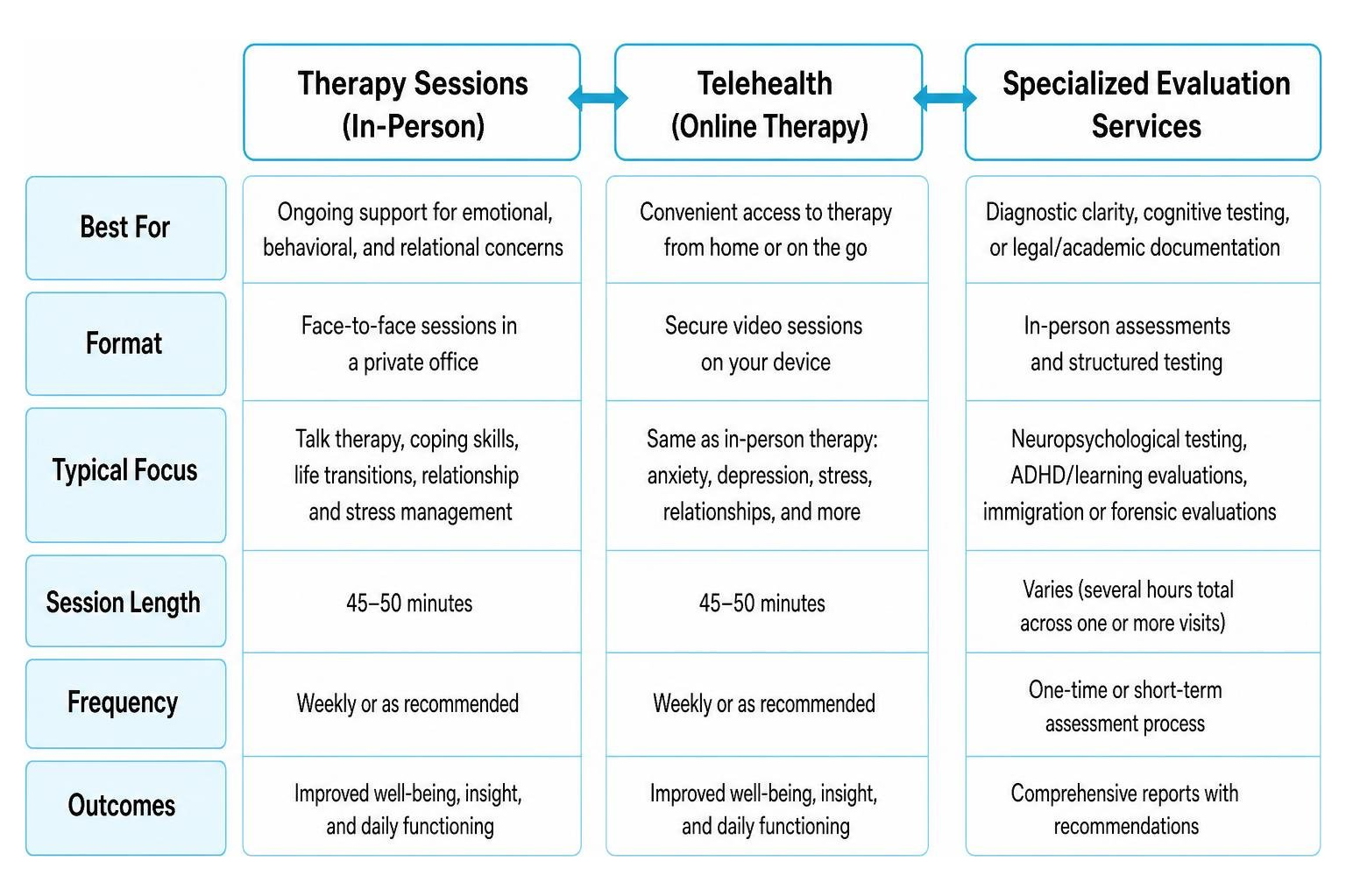
When searching for a psychologist in Dallas, understanding the vast array of therapeutic modalities available helps you narrow down who can best serve your unique emotional, psychological, or legal requirements. Across the Dallas-Fort Worth metroplex, clinical practice spans evidence-based behavioral treatments, deep psychodynamic work, acceptance-driven approaches, and specialized evaluations.
In our work at District Counseling, we regularly see how matching the right clinical methodology to a client's specific stressor leads to dramatic, measurable improvements in quality of life. Whether you are dealing with daily work burnout, complex trauma, or legal proceedings, finding a qualified Clinical Psychologist in Dallas TX is your first major step toward healing and resolution.
Dallas psychologists routinely offer structured, goal-oriented therapies such as:
- Cognitive Behavioral Therapy (CBT): The gold standard for identifying and reframing negative thought patterns that drive emotional distress.
- Acceptance and Commitment Therapy (ACT): A mindfulness-based approach helping individuals accept hard emotions while committing to value-driven action.
- Dialectical Behavior Therapy (DBT): Excellent for emotion regulation, distress tolerance, and building interpersonal effectiveness.
- Eye Movement Desensitization and Reprocessing (EMDR): A specialized trauma protocol designed to reprocess distressing memories and alleviate PTSD symptoms.
- Inference-Based CBT (ICBT) & Somatic Therapies: Modern modalities tailored for obsessive-compulsive patterns and nervous system regulation.
Treating Mood Disorders, PTSD, and Substance Misuse
Data across the local landscape shows that approximately 92% of Dallas mental health practitioners prioritize treating anxiety, while 86% focus heavily on depression. Chronic stress, panic disorder, social anxiety, and insomnia are among the most common presenting problems in private practice clinics throughout the city.
For those struggling with sleep disturbances, specialized interventions like Cognitive Behavioral Therapy for Insomnia (CBT-I) are widely utilized by health psychologists, offering evidence-based, drug-free relief for persistent insomnia. When treating post-traumatic stress disorder (PTSD), clinicians combine exposure therapies, Cognitive Processing Therapy (CPT), and EMDR to address single-incident traumas or complex, multi-year developmental trauma.
Substance misuse and co-occurring chemical dependencies also represent a significant focus area in Dallas. Integrative recovery programs combine individual therapy, harm reduction strategies, and group support to help clients break cycles of addiction while resolving the underlying trauma or mood disorders driving those behaviors.
Couples, Family, and Adolescent Mental Health
Navigating relationship dynamics requires a system-oriented approach. Psychologists specializing in couples counseling and family systems help partners heal from betrayal trauma, resolve long-standing communication barriers, and navigate mid-life transitions or divorce.
For teenagers and children, adolescent psychologists address developmental challenges, executive dysfunction, ADHD, and emotional regulation. Evidence-based interventions such as Parent Management Training (PMT) equip caregivers with actionable behavioral strategies to restore structure, reduce home conflict, and foster strong parent-child attachment bond.
Culturally Responsive, LGBT, and Identity-Affirming Care
Mental health care is never one-size-fits-all. Healing occurs within the context of your culture, language, and lived experiences. In a vibrant, diverse city like Dallas, identity-affirming care is vital for individuals who experience systemic stressors, generational trauma, or marginalized identities.
Culturally responsive care means your clinician understands the weight of cultural code-switching, immigration-related anxiety, and multi-generational family dynamics. Furthermore, LGBTQ+ affirmative psychologists provide compassionate care for gender identity exploration, social transitions, and sexual orientation concerns, ensuring clients have a safe, non-judgmental therapeutic environment. Neurodivergence-affirming practices also cater to adults and youth with Autism and ADHD, focusing on self-advocacy and accommodation rather than forced neurotypical masking.
Specialized Psychological Services Across Dallas Neighborhoods
The geographical footprint of psychological practices in Dallas is broad. Office distribution typically concentrates in key commercial, medical, and residential corridors:
- Uptown & Downtown Dallas: Home to numerous private practices catering to working professionals dealing with executive burnout, anxiety, and high-stress corporate environments.
- Preston Hollow & Park Cities: Features private outpatient clinics specializing in family therapy, child psychology, eating disorder recovery, and comprehensive diagnostic testing.
- Medical District & Market Center: Centered around major hospital systems like UT Southwestern Medical Center and Baylor Scott & White Health, focusing on clinical health psychology, neuropsychology, and post-trauma recovery.
- North Dallas & Lake Highlands: Offers accessible community counseling centers, pediatric specialists, and group psychological practices.
Beyond physical office locations, telehealth has revolutionized mental health access. Currently, 52% of Dallas providers offer a hybrid model of in-person and online sessions, while 48% operate exclusively via secure, HIPAA-compliant teletherapy platforms. Thanks to interstate regulations like PSYPACT (Psychology Interjurisdictional Compact), authorized Texas psychologists can seamlessly provide cross-border remote therapy to clients in over 42 participating states.
Neuropsychology, Testing, and Evaluations from a Psychologist in Dallas
Diagnostic psychological and neuropsychological assessments serve a very different purpose than weekly talk therapy. Rather than focusing on ongoing emotional support, diagnostic evaluations use standardized testing batteries to map brain function, evaluate cognitive strength, and render definitive formal diagnoses.
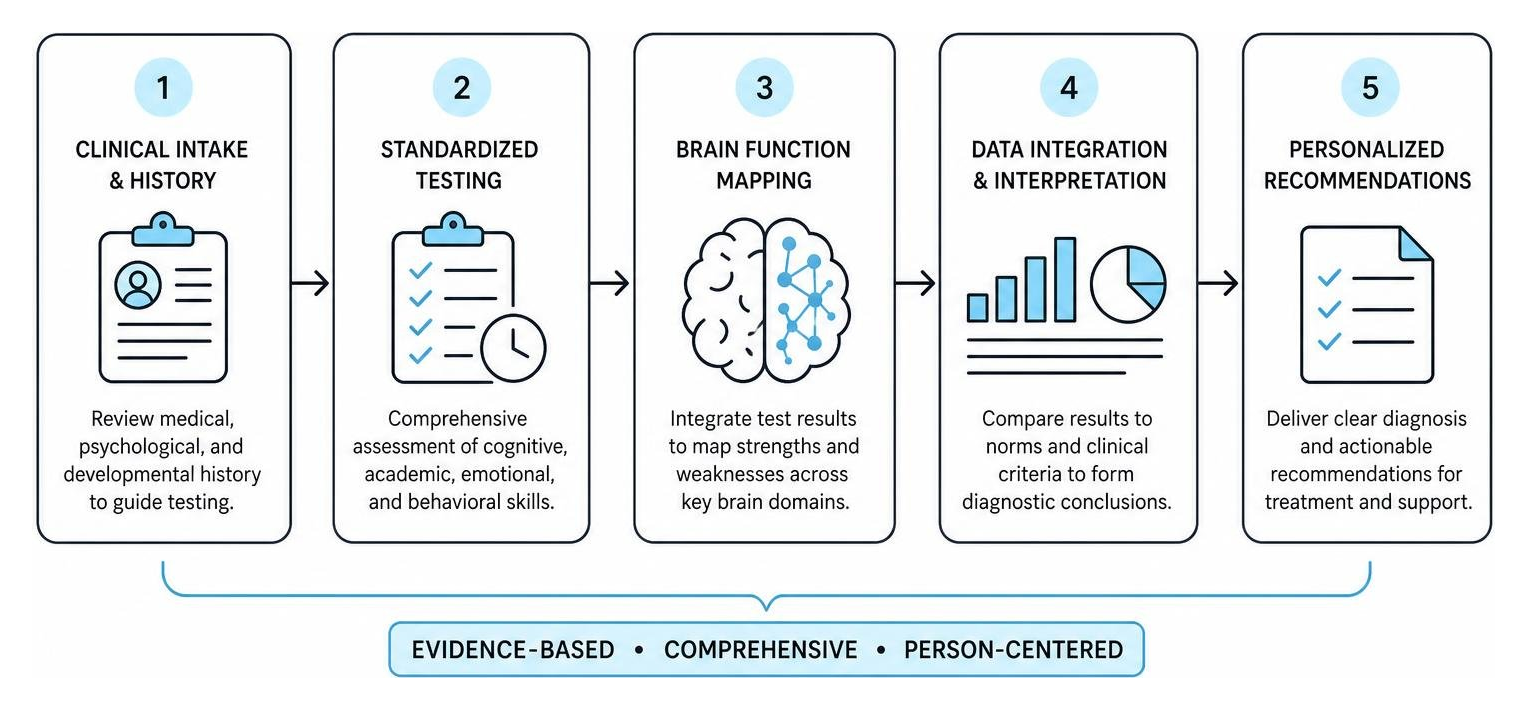
Neuropsychologists evaluate complex conditions such as:
- Traumatic Brain Injury (TBI) & Concussions: Assessing cognitive impacts following physical trauma, sports injuries, or accidents.
- Dementia & Memory Disorders: Differentiating early-stage Alzheimer’s disease from age-related cognitive decline, depression, or vascular impairment.
- Neurodevelopmental Conditions: Testing for ADHD, Autism Spectrum Disorder, learning disabilities, and executive functioning deficits.
In the legal and immigration arena, specialized psychological evaluations play a pivotal role. As detailed in our comprehensive guide on Dallas Psychological Immigration Assessment, formal forensic and clinical evaluations are essential evidence for legal petitions. Whether you need a general clinical Psychological Evaluation, a Texas Immigration Psych Evaluation, or assistance from a dedicated Texas Immigration Psychological Expert, expert documentation highlights clinical hardship, trauma histories, and psychological vulnerability for immigration courts.
Our clinic, District Counseling, specializes directly in these legal evaluations across Texas—including asylum cases via Texas Asylum Psychological Services, extreme hardship waivers, and U-Visa mental health evaluations through our dedicated Dallas U Visa Mental Evaluation Clinical Consultation. Working with a qualified Immigration Psychologist ensures that your evaluation meets strict legal standards while maintaining absolute compassionate care. If you want to understand how these formal reports are structured, you can review an Immigration Psychological Evaluation Sample to see how objective diagnostic data is presented.
Sports Psychology, Maternal Health, and Niche Care
Dallas also hosts an array of highly specialized clinical practices designed for specific life stages and professional demands:
- Sports & Performance Psychology: Designed for collegiate, elite, and professional athletes recovering from sports injuries, navigating performance anxiety, or optimizing mental focus under high pressure.
- Perinatal & Maternal Mental Health: Led by certified perinatal psychologists focusing on fertility struggles, birth trauma, antepartum depression, postpartum anxiety, and NICU parent support.
- First Responder & Military Support: Specialized trauma care for firefighters, law enforcement, and military veterans dealing with duty-related acute stress and cumulative trauma.
- Health Psychology & Bariatric Care: Pre-surgical evaluations and psychological adjustment counseling for major surgeries, chronic pain management, and medical trauma recovery.
Comparing Credentials and Modalities to Choose the Right Provider

Understanding the professional letters behind a clinician's name helps ensure you select a provider equipped for your exact needs. While masters-level counselors and social workers provide outstanding therapy, doctoral-level practitioners undergo rigorous research and advanced clinical assessment training.
Understanding PhD, PsyD, and EdD Credentials
The table below breaks down the primary doctoral credentials held by mental health providers:
| Credential | Degree Title | Training Focus | Common Clinical Application |
|---|---|---|---|
| PhD | Doctor of Philosophy | Equal emphasis on clinical training and empirical research | Complex diagnostic testing, specialized clinical research, psychotherapy |
| PsyD | Doctor of Psychology | Primary emphasis on clinical practice and direct therapy hours | Full-time clinical assessment, individual/family psychotherapy |
| EdD | Doctor of Education | Focus on educational leadership, counseling psychology, and human development | School psychology, academic counseling, organizational consulting |
Psychologists holding a PhD or PsyD complete 5 to 7 years of post-graduate education, including a minimum of 3,000 to 3,500 supervised clinical hours, comprehensive doctoral dissertations or clinical projects, and passing national licensing exams (EPPP).
How to Verify Licensing and Availability for a Psychologist in Dallas
In the state of Texas, all practicing psychologists are licensed and regulated by the Texas Behavioral Health Executive Council (BHEC). Under Texas regulations (including Consumer Rights provisions under Texas House Bill 4224), practitioners are required to make consumer verification and rights information easily accessible.
To verify a provider’s current standing and license status:
- Visit the official BHEC license verification portal.
- Cross-reference credentials on national registries like the National Register Directory of Psychologists.
- Check that the clinician holds active Texas licensure without public disciplinary restrictions.
- Confirm intake availability, as popular private practices and assessment specialists may maintain waiting lists ranging from two weeks to several months.
Key Steps to Refine Your Search and Schedule an Intake
Selecting a psychologist in Dallas should be a structured, deliberate process. Following a clear roadmap helps you find a clinician who matches your schedule, financial parameters, and clinical requirements.
Here is a step-by-step checklist to guide your search:
- Step 1: Identify Your Primary Clinical Need. Determine whether you need weekly psychotherapy, cognitive/neuropsychological testing, or a legal/forensic mental health report (e.g., an Immigration Mental Health Evaluation).
- Step 2: Schedule a Free Phone Consultation. Most private practice psychologists offer a 10-to-15-minute preliminary consultation. Use this call to ask about their experience with your specific issue, therapeutic approach, and session fee structure.
- Step 3: Clarify Financial and Insurance Details. Ask if the provider is in-network with your health insurance plan (such as BlueCross BlueShield, Aetna, or Cigna) or operates as an out-of-network provider. If paying out-of-pocket, ask if they provide detailed monthly "superbills" for potential insurance reimbursement or offer sliding-scale fees.
- Step 4: Prepare for the Initial Intake Session. First appointments typically run 60 to 90 minutes. Complete all online intake questionnaires, consent forms, and medical histories beforehand so you can maximize your time discussing clinical goals.
Frequently Asked Questions About Finding Care in Dallas
What is the average cost of therapy with a psychologist in Dallas?
In the Dallas-Fort Worth area, out-of-pocket therapy rates with a licensed doctoral-level psychologist average $150 to $250+ per session (55 to 60 minutes, typically billed under CPT code 90837). Initial diagnostic intake sessions range from $200 to $350.
If your practitioner is in-network with insurance, your cost may simply be a copay (typically $20 to $50 depending on your plan). For out-of-network care, clients pay the fee upfront and submit superbills to their insurance provider for out-of-network reimbursement according to their plan's out-of-network deductible.
How do I know if I need a psychologist, counselor, or psychiatrist?
- Psychologist (PhD/PsyD): Holds a doctoral degree, specializes in complex psychotherapy, psychological testing, and comprehensive diagnostic evaluations. They do not prescribe medication in Texas.
- Counselor/Therapist (LPC, LMFT, LCSW): Holds a master's degree and focuses primarily on counseling, emotional support, couples therapy, and skill-building.
- Psychiatrist (MD/DO): A medical doctor specializing in psychiatric mental health who primarily focuses on diagnosis and medication management.
Can Dallas psychologists provide cross-state teletherapy?
Yes! If a Dallas psychologist holds APIT (Authority to Practice Interjurisdictional Telepsychology) approval through PSYPACT, they can legally conduct telehealth sessions with clients physically located in over 42 participating PSYPACT states. This provides remarkable flexibility for college students, frequent business travelers, or families moving between states.
Conclusion
Navigating mental health care options in Dallas does not have to feel overwhelming. Whether you are addressing anxiety, seeking specialized health psychology care, working through major life transitions, or requiring diagnostic evaluations, finding a qualified psychologist in Dallas provides the clarity and structure you need to move forward.
At District Counseling, we understand that for many families, mental health care intersects directly with legal survival. If you or a loved one are facing immigration proceedings and require a thorough, legally defensible, and compassionate hardship or trauma assessment, we are here to support you. We provide specialized psychological evaluations across Texas cities—including Dallas, Houston, Austin, and San Antonio—offering Spanish-language evaluations seamlessly translated to English, complete client comfort, and 6 free therapy sessions following your final report to ensure ongoing emotional wellness.
Ready to secure expert psychological evaluation services? Visit Evaluación Psicológica para Inmigración today to schedule your consultation and protect your family's future.