
How Deportation and Family Separation Tear Lives Apart
The Human Cost of Deportation: What the Research Shows
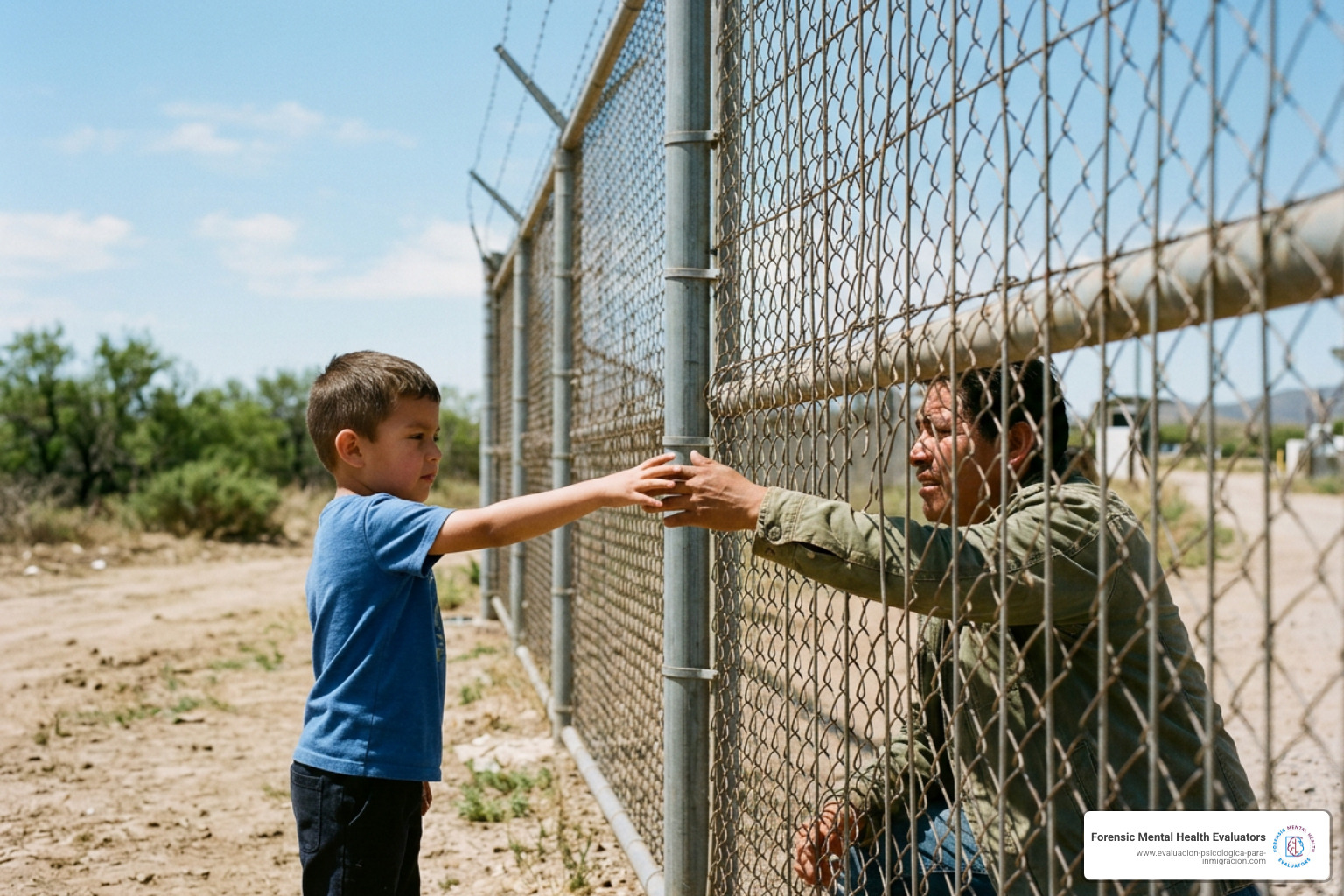
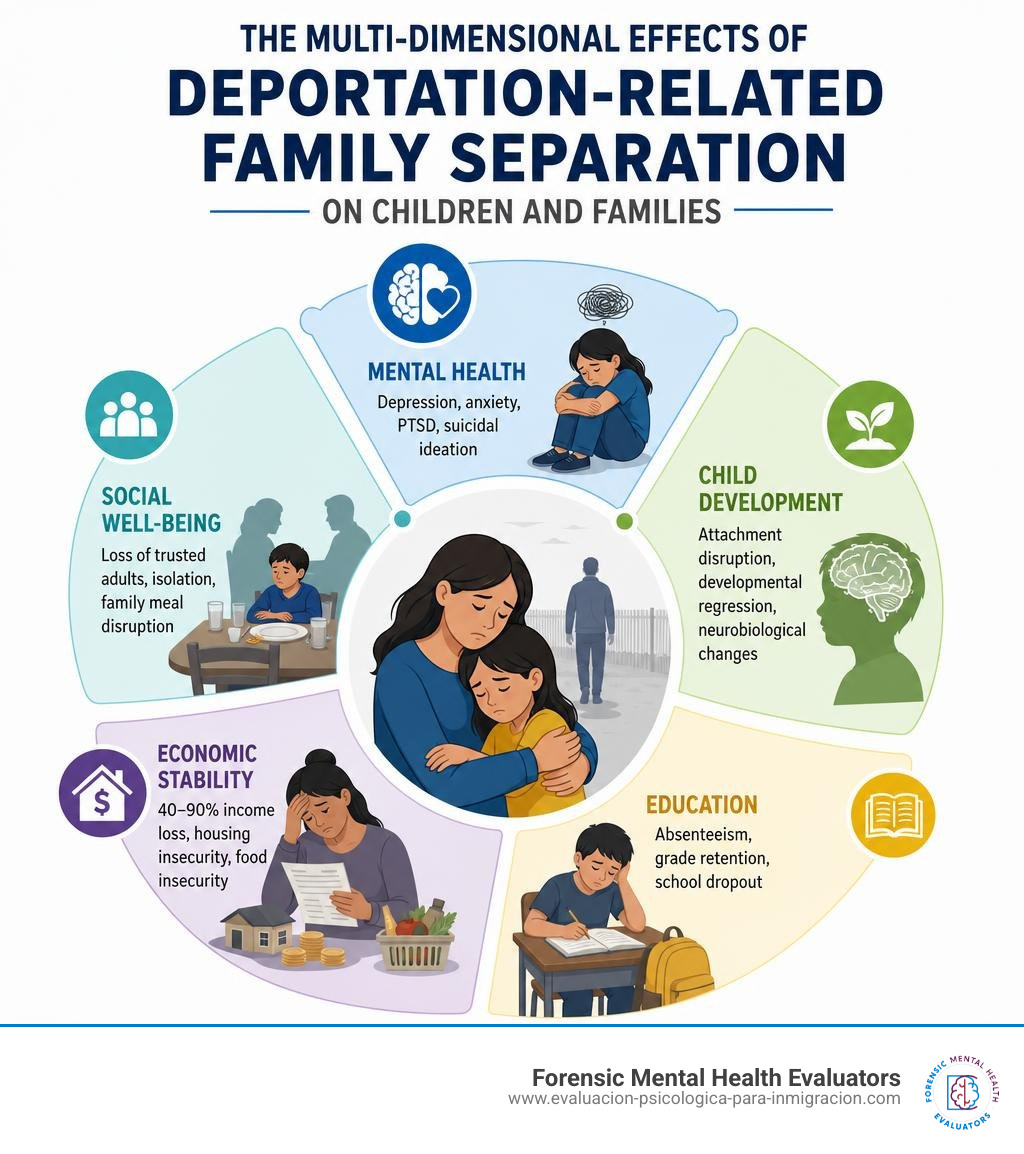
The effects of family separation due to deportation are wide-ranging, well-documented, and devastating — touching every part of a child's life, from their mental health to their grades to their physical development.
Here is a quick overview of the core impacts:
| Area of Impact | Key Effects |
|---|---|
| Mental Health | Depression, anxiety, PTSD, suicidal ideation |
| Child Development | Attachment disruption, developmental regression, neurobiological changes |
| Education | Absenteeism, grade retention, school dropout |
| Economic Stability | 40–90% income loss, housing insecurity, food insecurity |
| Social Well-Being | Loss of trusted adults, isolation, family meal disruption |
The numbers are hard to ignore. An estimated 5.9 million U.S. citizen children have at least one undocumented caregiver. In 2019 alone, ICE deported nearly 28,000 people who had U.S.-born children. Research shows that families lose an average of 70% of their income within six months of a parent's deportation — and that separated youth are four times more likely to experience suicidal ideation than their peers.
And yet, as one research brief put it: "the cost to children is rarely centered, even though research is wide-ranging, consistent, and well-established."
This guide breaks down exactly what the science says — and what it means for your family.
I'm Francisco Ortiz, Lead Forensic Mental Health Evaluator at District Counseling PLLC and a Certified Forensic Mental Health Evaluator (CFMHE), and I have spent my career documenting the effects of family separation due to deportation through rigorous psychological evaluations used in immigration legal proceedings, including Hardship Waivers, Asylum cases, and Cancellation of Removal. In the sections below, we'll walk through the research layer by layer — from brain development to policy reform.
The Psychological and Developmental Effects of Family Separation Due to Deportation
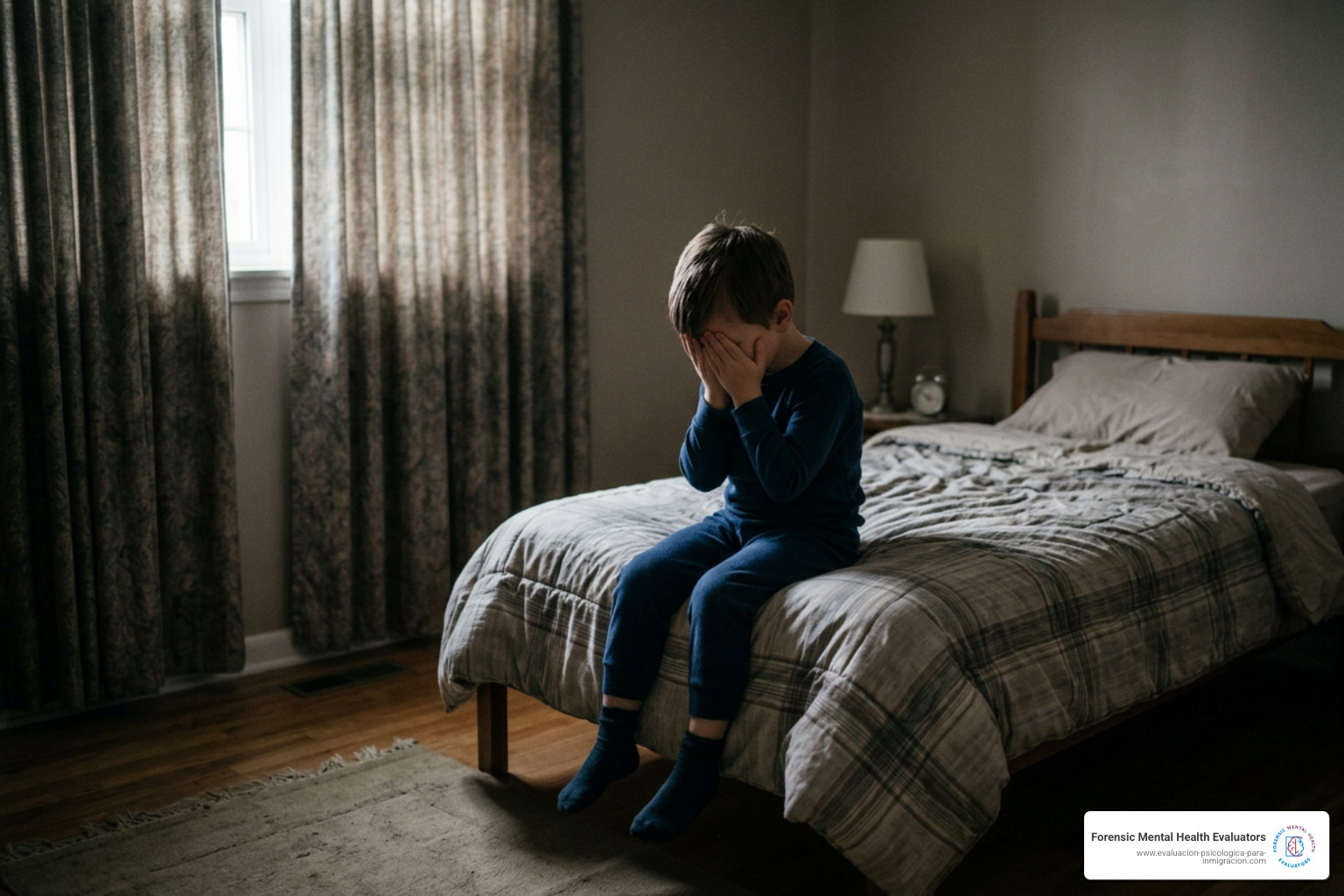
When a parent is detained or deported, the child experiences a profound shock that reverberates through their biological, emotional, and psychological systems. This is not just a temporary period of sadness; it is a severe trauma that can permanently alter how a child's brain and body react to the world around them.
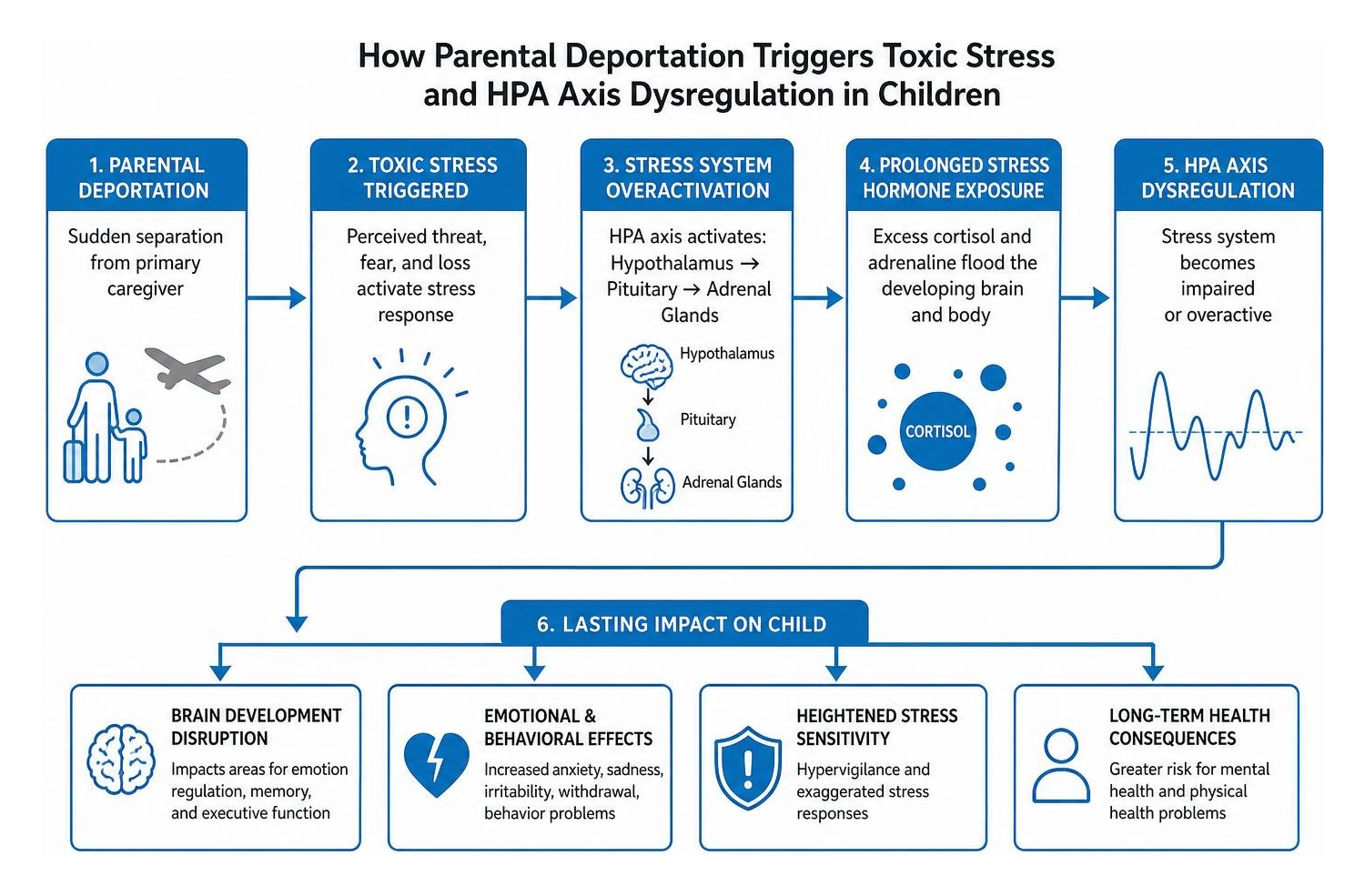
According to peer-reviewed scientific research on childhood trauma, the sudden, forced removal of a primary caregiver triggers an intense state of "toxic stress." Unlike normal stress, which helps us respond to temporary challenges, toxic stress remains constantly active, flooding a child's developing brain with powerful stress hormones like cortisol and adrenaline.
Over time, this prolonged biological response leads to dysregulation of the hypothalamic-pituitary-adrenocortical (HPA) axis. The HPA axis is the body's primary stress management system. When it is chronically overstimulated during childhood, it can cause permanent physiological and psychological damage, leaving the child hyper-reactive to stress for the rest of their life.
Furthermore, deportation-induced separations break critical attachment bonds. For young children, these secure attachments are the literal scaffolding upon which healthy brain development and emotional self-regulation are built. When these bonds are abruptly severed, children often experience a phenomenon known as "ambiguous grief." Unlike mourning a death, where there is a clear, painful resolution, ambiguous grief occurs because the parent is still alive but entirely inaccessible. This leaves children in a state of perpetual, unresolved yearning, making it incredibly difficult for them to build trusting relationships in the future.
Mental Health Effects of Family Separation Due to Deportation on Children
The mental health consequences for children who lose a parent to deportation are severe and long-lasting. Clinical studies show that these children are highly prone to developing clinical depression, generalized anxiety, and Post-Traumatic Stress Disorder (PTSD).
The psychological distress often manifests in extreme ways. For instance, research highlights that youth separated from a caregiver due to deportation are:
- 17 times more likely to have thought about running away.
- 4 times more likely to experience suicidal ideation.
- 68% less likely to have at least one trusted adult in their lives.
- 70% less likely to have daily meals with their family or a strong role model.
We also see significant behavioral and physical regression, particularly in younger children. It is not uncommon for a fully toilet-trained child to begin bed-wetting again, or for a toddler who had already learned to walk to revert to crawling for months following a parent's arrest. Older children may experience somatic symptoms like debilitating stomachaches, regular panic attacks, and extreme fatigue.
As documented in a clinical analysis of mental health crises, the trauma of watching a parent get arrested during routine daily tasks—such as picking them up from school or going to the grocery store—leaves children in a state of constant hypervigilance, wondering if they or their remaining family members will be next.
Developmental and Attachment Disruption in Early Childhood
During infancy and early childhood, a child's brain is rapidly developing, forming millions of new neural connections every second. This delicate process relies entirely on stable, nurturing interactions with primary caregivers. When deportation disrupts this primary attachment relationship, the developmental foundations of the child are fundamentally shaken.
Without a secure attachment figure to provide comfort and safety, the child's neurobiological development is altered. Research indicates that this severe, early-life deprivation can even cause epigenetic changes—meaning the trauma actually alters how certain genes are expressed, potentially passing down a biological vulnerability to stress and mental illness to future generations.
At District Counseling, we specialize in conducting the type of Immigration Mental Health Evaluation that clinically documents these profound developmental disruptions, giving legal teams the objective, scientific evidence needed to demonstrate the long-term psychological harm of family separation.
Educational and Economic Consequences on Separated Families
Deportation does not just leave an emotional void; it also causes an immediate, catastrophic collapse of the household's financial and social stability.
| Metric | Before Parental Deportation | After Parental Deportation |
|---|---|---|
| Average Household Income | Baseline stable income (often dual-earner) | 40% to 90% loss (average of 70% loss within 6 months) |
| Housing Security | Stable housing/rental history | High risk of eviction, forced relocation, or doubling up |
| Food Security | Consistent access to daily meals | 44% of families face severe food insecurity |
| School Attendance | Regular school attendance | High absenteeism, school refusal, and withdrawal |
| Academic Performance | Age-appropriate grades and progression | High rates of grade retention and school dropout |
Academic Decline and School Performance Issues
The psychological weight of family separation quickly spills over into the classroom. Children experiencing the deportation of a parent show sudden, drastic drops in school performance. They struggle to concentrate, withdraw socially from their peers, and frequently skip school.
This academic decline is driven by several overlapping factors:
- Absenteeism and School Refusal: Children are often too depressed, anxious, or physically ill to attend school. Some refuse to go out of fear that their remaining parent will be taken while they are gone.
- Cognitive Overload: The constant state of toxic stress impairs executive functioning, memory, and cognitive development, making it incredibly difficult to learn new concepts.
- Language and Cultural Barriers: For children who are relocated to their parent’s home country, the transition can be academically paralyzing. Many of these children do not speak Spanish fluently, leading to systemic exclusion and school failure in countries like Mexico or Honduras.
When applying for legal relief, documenting these academic struggles is key to proving Extreme Hardship on the child, showing that deportation will permanently derail their educational and cognitive development.
Economic Collapse and Household Instability
When a primary breadwinner is deported, the remaining family is instantly plunged into extreme poverty. This is particularly true because over 90% of all deported individuals are men, meaning that Latina mothers are disproportionately left behind to navigate single parenthood and financial survival completely alone.
According to a comprehensive research on deported fathers' perspectives, approximately 50% of separated families struggle to pay basic rent and utilities, while 44% experience severe food insecurity. Because undocumented single mothers face immense barriers to accessing federal welfare programs, many are forced to work multiple low-wage, informal jobs. This reduces their contact hours with their children, leaving older siblings to drop out of school to take on jobs or act as full-time caregivers, further fracturing the family structure.
Systemic Challenges: Foster Care, Double Separation, and Citizen Children

The systemic ripple effects of deportation are especially severe for the estimated 4.4 million to 5.1 million U.S. citizen children living in mixed-status families. These children hold the constitutional rights of citizenship, yet their lives are deeply disrupted by immigration enforcement targeting their parents.
The Foster Care System Response and Tracking Failures
When parents are abruptly detained, they are frequently rushed through the system without being given the opportunity to arrange for their children's care. In 2011, there were at least 5,100 children with detained or deported parents living in the foster care system.
This crisis is worsened by systemic administrative failures:
- Tracking Failures: Historically, federal agencies like ICE have failed to adequately track the locations of separated children, sometimes keeping better track of a detainee's physical belongings than their children.
- Violation of the Flores Settlement Agreement: Family detention centers frequently violate the Flores Settlement, which sets a 20-day limit on detaining children, sometimes keeping families locked in carceral-like environments for up to 136 days.
- Underfunded Child Welfare Systems: Many separated children end up in underfunded, state-licensed foster care facilities. Research shows that 37% of children in foster care suffer from depression, and 35% suffer from anxiety-induced mental illness.
To prevent children from permanently entering the foster care system, a professional Psychological Evaluation can be utilized in court to advocate for the parent's release or to establish stable, trauma-informed custody arrangements.
The Double Separation Phenomenon and Reintegration Barriers
Many deported parents initially try to keep their families together by bringing their U.S. citizen children with them to their home countries. However, this often leads to a painful phenomenon known as "double separation."
Upon returning to countries like Mexico, Honduras, or Guatemala, families face severe economic barriers, lack of employment, and widespread violence. Furthermore, U.S.-born children face systemic exclusion in local public schools due to language barriers, and those with special needs or chronic medical conditions are often entirely unable to access necessary treatment.
Faced with these impossible conditions, many parents make the heartbreaking decision to send their children back to the U.S. to live with relatives or friends. This results in a secondary, highly traumatic separation, compounding the child's existing PTSD and feelings of abandonment.
Our team at District Counseling frequently conducts a Cancellation of Removal Psych Eval to demonstrate to immigration judges how these compounding separations and reintegration barriers constitute an unmanageable hardship for U.S. citizen minors.
The Broader Impact: Community Fear and Policy Solutions
The devastating effects of family separation due to deportation extend far beyond the families directly targeted. The constant threat of deportation and highly publicized community raids create a pervasive atmosphere of fear that harms entire neighborhoods, schools, and local economies.
How the Threat of Deportation Affects Non-Separated Families
Even in families where no one has been deported, the mere threat of separation causes measurable psychological and physical harm. This fear operates as a chronic public health crisis:
- Healthcare Avoidance: Fear of encountering immigration authorities deters families from seeking medical care. In fact, 48% of primary and emergency healthcare providers report that ICE activity directly hurts patient access to healthcare, including vital prenatal and pediatric services.
- Mistrust of Institutions: Undocumented and mixed-status families become highly isolated. Up to 70% of unauthorized immigrants surveyed reported they would not call the police even if they were victims of a crime, out of fear of deportation.
- Cardiovascular Damage: The physical toll of daily hypervigilance is toxic. Studies have shown a direct correlation between the fear of deportation and increased cardiovascular risk factors—such as higher BMI, obesity, and elevated pulse pressure—among immigrant women.
By documenting this systemic fear and its physical manifestations through an Immigration Extreme Hardship Waiver evaluation, we can help families secure legal status and finally find relief from this paralyzing anxiety.
Policy Changes to Mitigate the Effects of Family Separation Due to Deportation
To truly protect children and communities, systemic policy reforms are urgently needed. Advocacy groups, child welfare experts, and mental health professionals recommend several key changes:
- Enforce Parental Safeguards: Federal agencies must strictly adhere to parental interest directives, ensuring that detained parents are immediately screened for parental status and given the communication tools needed to arrange safe, stable care for their children.
- Expand Hardship Exemptions: The Immigration and Nationality Act (INA) should be modified to expand hardship exemptions. Currently, these exemptions are limited to immediate spouses, parents, and children, leaving out crucial extended caregivers like grandparents who often act as primary parental figures.
- Utilize Alternatives to Detention (ATD): Rather than placing families in carceral family detention centers, the government should utilize community-based ATD programs, which allow families to remain together in safe environments while navigating their legal cases.
As detailed in the ASU Children's Equity Project report, centering the health, safety, and developmental needs of children in immigration policy is not just a legal necessity—it is a moral imperative.
Frequently Asked Questions about Family Separation
How does parental deportation affect U.S. citizen children?
Parental deportation severely compromises the constitutional and human rights of U.S. citizen children. It forces them into a state of systemic inequality where they must either grow up without a parent or abandon their home, education, and country to remain with their family. This trauma often leads to clinical depression, academic withdrawal, and severe economic hardship. In legal proceedings, documenting this profound disruption is crucial when petitioning for a Cancellation of Deportation.
What is the "double separation" of immigrant children?
"Double separation" refers to the secondary trauma experienced by children who are taken to their parent's home country post-deportation, only to be sent back to the U.S. later due to extreme poverty, language barriers, or lack of medical care in the return country. This secondary separation severely damages attachment bonds and can lead to long-term psychological distress. Documenting these complex, multi-layered hardships is essential when building a case for Extreme and Exceptionally Unusual Hardship.
How can a psychological evaluation help in deportation cases?
A professional immigration psychological evaluation provides objective, clinical documentation of the extreme trauma, anxiety, depression, and developmental regression that a child faces due to family separation. This clinical report serves as vital evidence in immigration court, helping judges understand the profound human cost of deportation and supporting legal remedies like hardship waivers or cancellation of removal. You can review an Immigration Psychological Evaluation Sample to see how these clinical findings are structured for legal success.
Conclusion
The effects of family separation due to deportation are a profound crisis, but you do not have to navigate this challenging journey alone. At District Counseling, we provide compassionate, professional forensic mental health evaluations designed to support your immigration case.
We serve families across our key locations, including:
- Texas: Houston, Katy, Cypress, Sugar Land, and statewide.
- Other States: Florida, California, New York, Utah, Virginia, and Idaho.
Our unique approach focuses on client comfort, offering Spanish evaluations fully translated into English, and providing 6 free therapy sessions post-report to help your family heal. If you are facing immigration proceedings and need to document the psychological impact of family separation, we are here to help.
Schedule an Immigration Psychological Evaluation with District Counseling today and take a critical step toward protecting your family’s future.