
Facing Deportation: A Clear Breakdown of Removal Defense Options
Removal Defense Immigration: Act Early to Protect Your Case
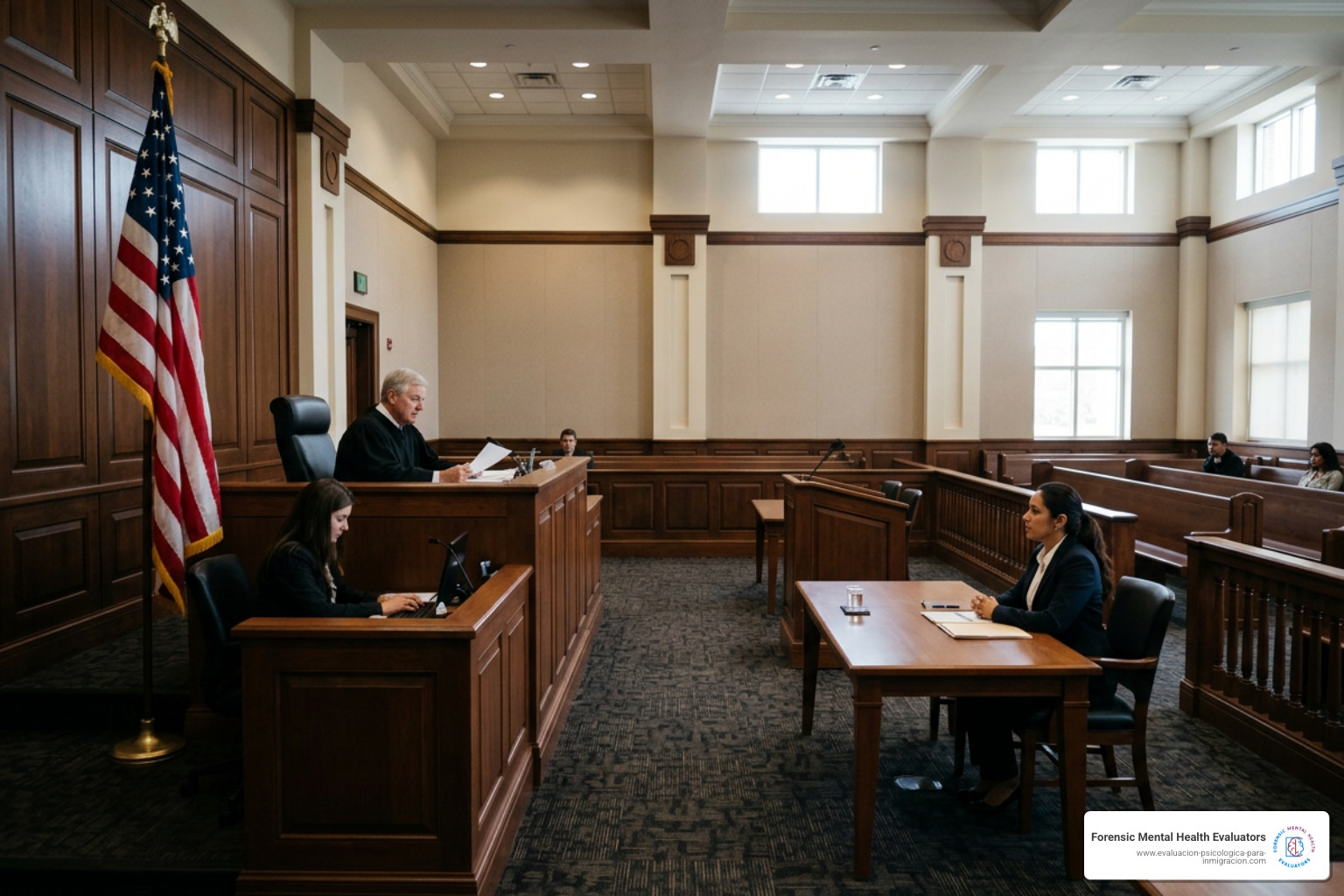
If you are facing deportation, speak with a qualified immigration lawyer as soon as you receive a Notice to Appear or learn that ICE has started a case. Removal defense immigration means challenging the government's case and applying for any relief you may qualify for, such as cancellation of removal, asylum, adjustment of status, or voluntary departure.
A lawyer can review the allegations, protect deadlines, request bond if you are detained, and help gather proof that removal would harm your U.S. citizen or lawful permanent resident family members. This is especially important when a spouse or child may face serious emotional, medical, or financial hardship if you are forced to leave.
Removal proceedings are civil cases heard by immigration judges through the Executive Office for Immigration Review (EOIR). But the stakes are deeply personal: separation from children, loss of stability, detention, and possible bars to returning to the United States. You have the right to hire a lawyer, challenge the evidence, and present a defense, though the government usually does not appoint a free attorney.
I am Francisco Ortiz, a Certified Forensic Mental Health Evaluator who prepares trauma-informed psychological evaluations for hardship, asylum, and victim-based immigration cases, including removal defense immigration matters. My work helps attorneys document the real mental health impact that deportation can have on qualifying family members and clients as they prepare their legal strategy.
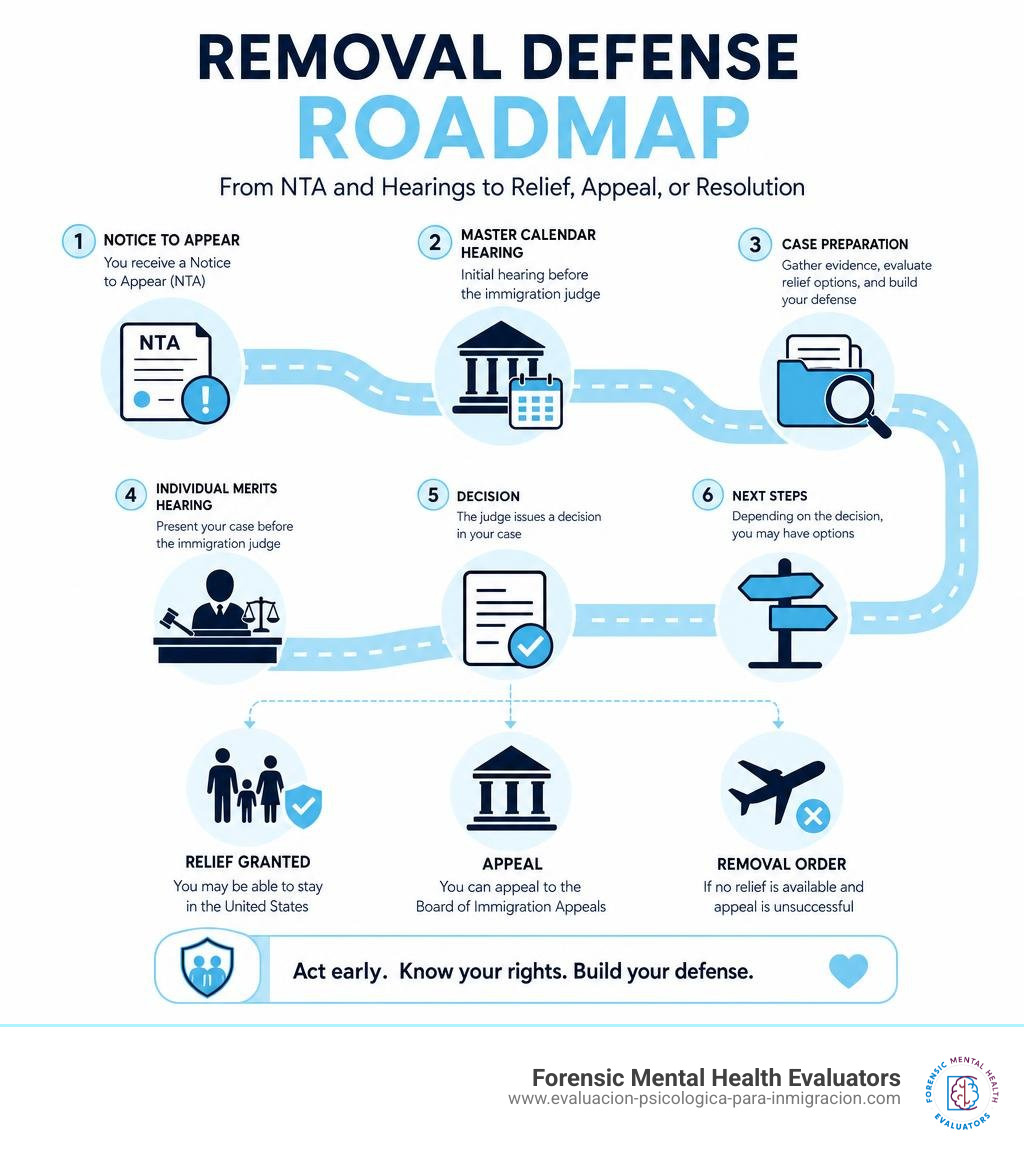
Understanding the Stages of Removal Defense Immigration Cases
Facing the immigration court system can feel overwhelming. Immigration court is not a criminal court where a public defender is automatically assigned to your defense. Instead, the Department of Homeland Security (DHS) acts as the prosecutor, bringing charges through an Immigration and Customs Enforcement (ICE) attorney before an immigration judge within the Executive Office for Immigration Review (EOIR).
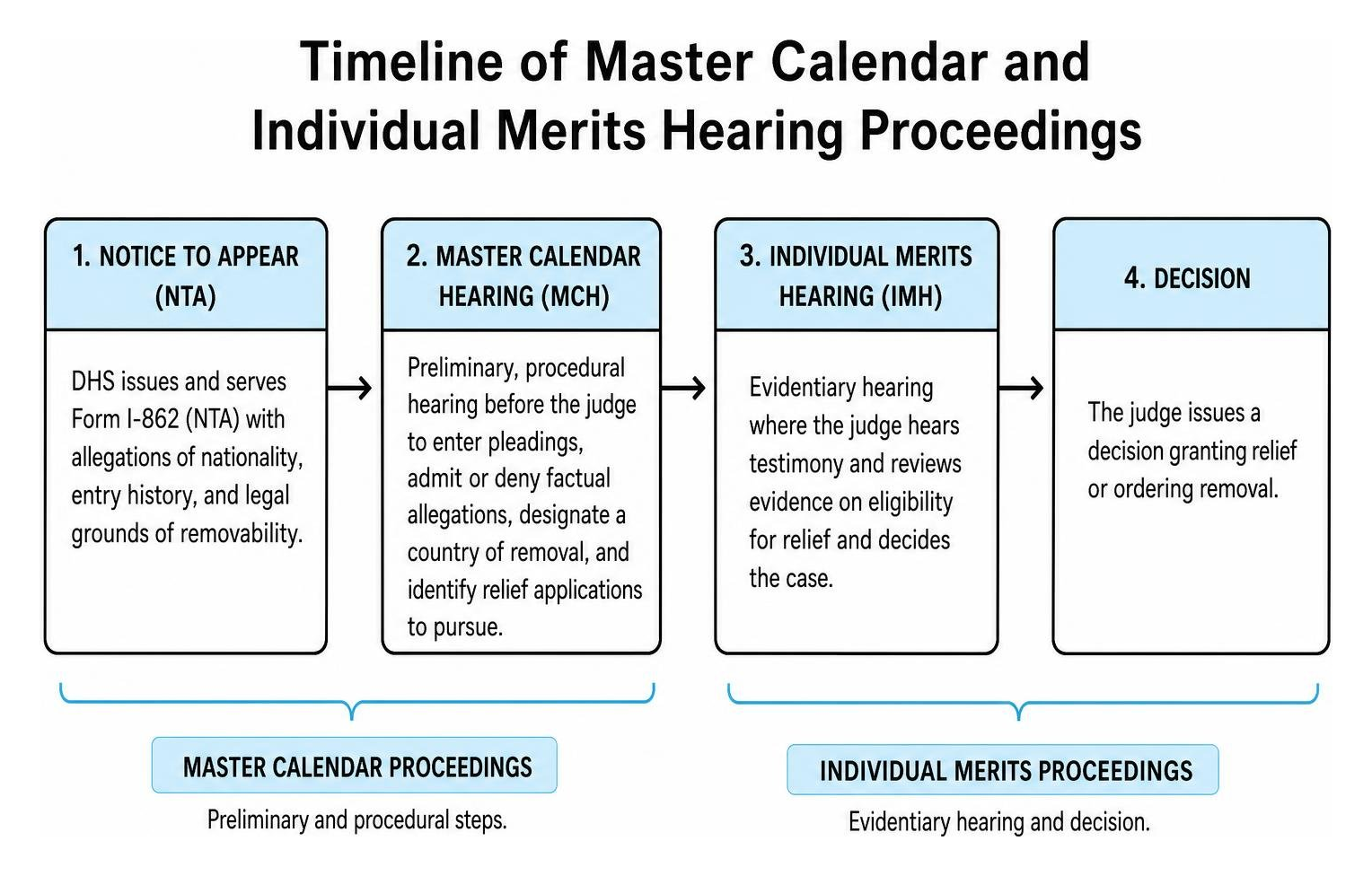
The removal process formally starts when DHS issues and serves a charging document called the Notice to Appear (NTA), officially known as Form I-862. This document contains factual allegations about your nationality, your entry history, and the specific legal grounds under the Immigration and Nationality Act (INA) that make you allegedly removable.
Once the NTA is filed with the court, your case unfolds across two main hearing types:
- Master Calendar Hearings (MCH): These are preliminary, procedural hearings. You appear before the judge to enter pleadings, admit or deny factual allegations, designate a country of removal, and identify which legal protections or relief applications you intend to pursue.
- Individual Merits Hearings: This is the substantive trial of your case. Here, you, your attorney, and your witnesses testify under oath, present clinical reports, submit financial and medical records, and make formal legal arguments.
The timeline of your case depends heavily on custody status. The differences between detained and non-detained court dockets are stark:
| Feature | Master Calendar Hearing | Individual Merits Hearing |
|---|---|---|
| Primary Purpose | Administrative pleadings, scheduling, and identifying relief | Full trial on the merits of your relief applications |
| Duration | Typically 10 to 25 minutes | Typically 2 to 4 hours (or split over multiple sessions) |
| Evidence Presented | Written pleadings, initial relief applications, motions | Live witness testimony, forensic psychological evaluations, exhibits |
| Case Backlog Timeline | Scheduled within weeks (detained) or months (non-detained) | Detained: 30 to 120 days total; Non-Detained: 2 to 6 years |
| Outcome | Deadlines set for filing forms and evidentiary exhibits | Final oral or written decision by the Immigration Judge |
Navigating these stages requires experienced counsel who understands immigration court proceedings and how to manage tight filing deadlines.
Challenging Notices to Appear in Removal Defense Immigration
You do not have to accept the government's charges at face value. In removal proceedings, the government bears the initial burden of proving alienage—that you are not a United States citizen—by clear, convincing, and unequivocal evidence.
Under critical legal standards outlined in REMOVAL DEFENSE: Practice Standards, seasoned defense attorneys often challenge defective NTAs. Under landmark precedent such as Pereira v. Sessions and the Board of Immigration Appeals (BIA) decision in Matter of Fernandes, statutory notice requirements function as mandatory claim-processing rules. If DHS serves an NTA that omits the specific time, date, or location of your initial hearing, a timely motion to terminate filed before the close of pleadings can disrupt the government's case.
Attorneys can also move to suppress Form I-213 (Record of Deportable/Inadmissible Alien). If DHS agents obtained evidence through egregious Fourth Amendment violations, unlawful racial profiling, or coercive interrogations that violate Fifth Amendment due process, the judge may exclude that evidence. Furthermore, under Matter of Garcia-Flores, if DHS violated its own administrative regulations during an arrest and caused prejudice, the court may terminate proceedings entirely.
Detention, Custody Determinations, and Bond Hearings
When ICE arrests an immigrant, officers make an initial custody determination on Form I-286, deciding whether to hold the person without bond, set a monetary bond, or release them on conditional parole.
If ICE sets an impossibly high bond or denies release, your attorney can file a motion for a bond redetermination hearing before an immigration judge. At this hearing, you must demonstrate two core elements:
- You are not a danger to the community.
- You are not a flight risk and will attend all future court dates.
Immigration bonds generally range from a statutory minimum of $1,500 to $25,000 or more, depending on community ties, criminal history, family relationships, and employment stability. However, individuals subject to mandatory detention under INA § 236(c)—due to specific criminal convictions or security grounds—are generally ineligible for bond unless their attorney successfully challenges the mandatory detention designation. Knowing how to stop ICE deportation through swift bond advocacy often marks the difference between fighting your case from home versus behind bars.
Key Forms of Relief Against Deportation in Immigration Court
Winning a removal case often involves affirmative applications for legal status. The strategy depends on your entry history, time living in the United States, family relationships, and humanitarian factors.
For undocumented individuals who have lived in the United States for years, non-LPR cancellation of removal under INA § 240A(b) is one of the most powerful defenses. You can read our Cancellation Of Removal Complete Guide to understand how this pathway leads directly to a Green Card.
To win non-LPR cancellation, you must prove:
- Continuous physical presence in the United States for at least 10 years immediately preceding the service of the NTA.
- Good moral character during that entire 10-year period.
- No disqualifying criminal convictions (such as aggravated felonies or crimes involving moral turpitude).
- That your deportation would cause exceptional and extremely unusual hardship to your qualifying U.S. citizen (USC) or Lawful Permanent Resident (LPR) spouse, parent, or child.
Congress imposes a strict statutory cap of only 4,000 cancellation grants per fiscal year nationwide. Due to this limit, approved applicants frequently face multi-year waiting lists, as explained in our Cancellation Removal Backlog Guide 2026.
For permanent residents facing deportation due to criminal charges, LPR cancellation of removal under INA § 240A(a) requires proving at least 5 years of permanent resident status, 7 years of continuous residence after lawful admission, no aggravated felony convictions, and that positive discretionary factors outweigh negative criminal marks.
Exceptional Hardship Standards and Evidentiary Proof
The hardest element of non-LPR cancellation is proving extreme and exceptionally unusual hardship. Normal hardships associated with family separation—such as lower income or emotional sadness—are legally insufficient. The hardship must be substantially beyond what an ordinary family experiences when a parent or spouse is removed.
Hardship is evaluated based on:
- Severe chronic medical conditions requiring specialized treatment unavailable in the home country.
- Special education needs, developmental delays, or neurodivergent diagnoses in U.S. citizen children.
- Documented clinical psychological conditions such as Major Depressive Disorder, Panic Disorder, or Post-Traumatic Stress Disorder (PTSD).
- Severe economic devastation combined with total social isolation in the country of origin.
To meet this burden on Form EOIR-42B, attorneys rely on a detailed hardship evaluation. For a step-by-step review of evidentiary strategies, consult our Extreme Hardship Waiver Guide 2026.
Asylum, Withholding of Removal, and CAT Protections
If you fear returning to your home country because your life or freedom would be threatened, you can file Form I-589 for protection:
- Asylum: Requires proving a well-founded fear of persecution based on race, religion, nationality, political opinion, or membership in a particular social group. It must generally be filed within one year of arrival in the U.S.
- Withholding of Removal (INA § 241(b)(3)): A mandatory form of relief requiring a higher burden of proof (a "clear probability" or greater than 50% chance of persecution) if you are barred from asylum.
- Convention Against Torture (CAT): Protects individuals from being returned to a country where they would more likely than not face severe physical or mental pain inflicted by or with the consent of government officials.
Documenting past trauma and psychological injury through an asylum cancellation psych evaluation provides the objective medical corroboration immigration judges look for when evaluating subjective fear.
Adjustment of Status, Humanitarian Visas, and Voluntary Departure
Other affirmative relief pathways include:
- Adjustment of Status (INA § 245): If you have an approved family or employment visa petition and entered lawfully (or qualify under INA § 245(i)), you can adjust to permanent residence directly before the immigration judge.
- U and T Visas: Humanitarian relief for victims of qualifying crimes (U Visa) or human trafficking (T Visa) who assist law enforcement.
- VAWA Relief: Protection for abused spouses, children, or parents of U.S. citizens and green card holders.
- Voluntary Departure (INA § 240B): If no other relief is viable, voluntary departure allows you to leave at your own expense without receiving a formal deportation order. This avoids the severe 10-year or 20-year statutory bars on returning to the United States.
Navigating Crimmigration, SIJS Delays, and Post-Order Appeals
The intersection of criminal law and immigration law—known as "crimmigration"—is one of the most complex areas of federal practice. Even a seemingly minor state misdemeanor can lead to deportation.
Immigration judges evaluate criminal offenses using the categorical approach, comparing the statutory elements of the state crime against generic federal definitions. If a state statute is broader than the federal definition, the conviction may not trigger deportability. Key criminal grounds include:
- Crimes Involving Moral Turpitude (CIMT): Offenses involving intentional fraud, theft, or severe harm.
- Aggravated Felonies: A statutory list under INA § 101(a)(43) that permanently bars most forms of relief.
- Controlled Substance Offenses: State drug charges create automatic deportability, though a single offense for possession of 30 grams or less of marijuana for personal use remains a narrow statutory exception under INA § 237(a)(2)(B)(i).
When criminal convictions block immigration relief, defense attorneys examine KEY REMOVAL Defenses in Criminal Cases and pursue post-conviction relief (PCR) in state courts. Under the Supreme Court's Padilla v. Kentucky precedent, criminal convictions can be vacated if defense counsel failed to advise the client of mandatory deportation consequences before entering a guilty plea.
How Psychological Evaluations Strengthen Removal Defense Immigration Claims
Objective mental health evaluations serve as foundational courtroom evidence. When an immigration judge reviews a cancellation of removal or asylum case, a comprehensive psychological report bridges personal testimony and clinical diagnostics.
At District Counseling, we provide specialized forensic evaluations across Texas—including Houston, Katy, Cypress, Sugarland, Austin, Dallas, and San Antonio—as well as our practice locations in Florida, California, New York, Utah, Virginia, and Idaho. Our bilingual clinicians conduct Spanish evaluations that are professionally translated into English.
Our comprehensive clinical assessments:
- Diagnose trauma-related conditions such as PTSD, Major Depressive Disorder, and Panic Disorder using standardized diagnostic tools.
- Document the emotional, cognitive, and functional decline a qualifying U.S. citizen child or spouse would suffer upon separation.
- Support hardship claims, U-visas, VAWA petitions, and asylum claims.
- Include 6 free therapy sessions post-report to support client well-being while their court proceedings are pending.
For a comprehensive review of forensic clinical testing standards, explore our Immigration Psychological Evaluations Guide 2026 and our guide to securing a Texas Immigration Psych Evaluation.
Special Immigrant Juvenile Status Defense in Removal Proceedings
Special Immigrant Juvenile Status (SIJS) provides humanitarian protection to undocumented children who have suffered abuse, abandonment, or neglect by one or both parents. However, SIJS visas fall under the employment-based fourth preference (EB-4) category, capped at 7.1 percent of worldwide visas annually.
Because of this visa cap, immigrant youth face multi-year priority date backlogs. As detailed in the Quick Guide: Defending SIJS Clients in Removal Proceedings, SIJS youth in removal proceedings can use strategic defenses:
- Under INA § 245(h), approved SIJS beneficiaries are statutorily deemed paroled, providing a legal defense against unlawful entry charges.
- Immigration regulations under 8 CFR § 1240.10(c) strictly prohibit judges from accepting admissions of removability from unrepresented minors under age 18.
- Attorneys can request continuances, administrative closure, or affirmative grants of deferred action with work authorization while waiting for an EB-4 visa number to become current.
Appealing Removal Orders to the Board of Immigration Appeals
If an immigration judge denies your relief application and issues a removal order, the battle is not over. You have the right to appeal the decision to the Board of Immigration Appeals (BIA), located in Falls Church, Virginia.
- Strict 30-Day Deadline: You must file Form EOIR-26 within exactly 30 calendar days of the judge’s oral decision or the mailing date of a written order. If the 30th day falls on a weekend or legal holiday, the deadline extends to the next business day.
- Automatic Stay of Removal: A timely BIA appeal automatically stays (freezes) your deportation order, meaning ICE cannot legally remove you while your appeal is pending.
- Fee Waivers: If you cannot afford the appeal fee, you can submit Form EOIR-26A requesting a BIA appeal fee waiver.
- Motions to Reopen: If new, material evidence emerges that was unavailable during your original hearing, your attorney can file a motion to reopen, typically within 90 days of the final administrative order.
If the BIA dismisses your appeal, your attorney can petition for review in the corresponding U.S. Circuit Court of Appeals (such as the Fifth Circuit for Texas or the Ninth Circuit for California and Idaho).
Why Legal Representation and Pro Bono Resources Matter
The single most influential factor in deportation defense is having qualified legal counsel. According to data from the Transactional Records Access Clearinghouse (TRAC), immigrants with legal representation are up to five times more likely to secure relief from deportation compared to those who represent themselves.
Because the federal government does not provide free public defenders in immigration court, state governments and nonprofit coalitions have stepped in to expand access to defense services:
- State funding initiatives, such as the California Department of Social Services Removal Defense Program, allocated $8.4 million across 33 legal service grantees for State Fiscal Years 2025-2028 to deliver pro bono representation to low-income respondents.
- Nonprofit legal aid networks, law school immigration clinics, and pro bono legal coalitions across Texas, California, Florida, New York, and Utah provide sliding-scale defense for detained and non-detained immigrants.
If you are preparing for your first legal consultation with an immigration attorney, take these actionable steps:
- Gather Every Document: Bring your Notice to Appear (Form I-862), passport, prior immigration applications, and all certified criminal court dispositions.
- Memorize Your Alien Registration Number: Your 9-digit A-Number (found at the top right of your NTA) is required to track your case on the EOIR Automated Case Hotline (1-800-898-7180).
- Draft a Clear Life Timeline: Write down your exact dates of entry, continuous addresses, employment history, and community involvement.
- Compile Medical and Family Records: Collect birth certificates of U.S. citizen children, marriage certificates, school transcripts, and medical records for family members who depend on you.
- Schedule a Psychological Evaluation: Contact a qualified forensic mental health evaluator early so clinical reports are completed well before court filing deadlines.
Frequently Asked Questions About Removal Defense
Can a green card holder be deported for a misdemeanor?
Yes. Lawful Permanent Residents can be placed in removal proceedings under INA § 237(a) for certain criminal convictions. Even a misdemeanor can lead to deportation if it qualifies as a Crime Involving Moral Turpitude (CIMT) committed within five years of admission with a potential sentence of one year or more, or if it involves domestic violence, child abuse, or controlled substances.
Under the Supreme Court precedent in Blanche v. Lau (June 2026), a returning green card holder with pending criminal charges can be treated by border officers as an "applicant for admission" upon re-entry, shifting the burden of proof to the permanent resident to demonstrate they are not inadmissible.
What is the difference between voluntary departure and a deportation order?
A formal deportation or removal order triggers serious statutory penalties:
- A first removal order imposes a 10-year bar outside the United States before you can apply for an immigrant visa or green card.
- More than one removal order results in a 20-year bar.
- Re-entering unlawfully after a removal order is a federal felony and triggers a permanent lifetime bar.
In contrast, voluntary departure under INA § 240B allows you to depart the country voluntarily at your own expense without a formal deportation order on your record, avoiding the automatic 10-year bar. However, you must post a voluntary departure bond, and failure to depart within the court-ordered timeframe converts the grant into a formal removal order accompanied by severe financial penalties.
How long does an immigration court removal defense case take?
The duration of a removal defense case depends on custody status:
- Non-Detained Cases: Due to massive EOIR court backlogs, non-detained cases routinely take 2 to 6 years from the initial Master Calendar Hearing to the final Individual Merits decision.
- Detained Cases: For individuals held in ICE detention facilities, cases operate on an accelerated docket, typically concluding within 30 to 120 days.
While your defensive applications (such as asylum or cancellation of removal) are pending before the immigration court, you are generally eligible to apply for an Employment Authorization Document (EAD) once statutory waiting periods are satisfied, allowing you to work legally while fighting your case.
Conclusion
Facing deportation is one of the most challenging experiences an immigrant and their family can endure. However, receiving a Notice to Appear is the beginning of a legal process, not the final word. From challenging defective charging documents and requesting bond redeterminations to presenting cancellation of removal, asylum, or adjustment of status, strong legal strategies exist to protect your future in the United States.
Winning your case requires a team effort between an experienced removal defense lawyer and thorough supporting evidence. In cancellation of removal and asylum cases, objective psychological documentation is often the deciding factor in proving extreme hardship or past trauma.
At District Counseling, we provide specialized, trauma-informed forensic evaluations across Houston, Katy, Cypress, Sugarland, Dallas, Austin, and San Antonio, as well as California, Florida, New York, Utah, Virginia, and Idaho. Our bilingual clinicians conduct Spanish evaluations translated into English and provide 6 free therapy sessions post-report to ensure you and your family are supported throughout your legal journey.
If you or a loved one are preparing your defense in immigration court, schedule a consultation for an evaluacion psicologica para caso de una cancelacion de deportacion today to build the compelling clinical record your case deserves.